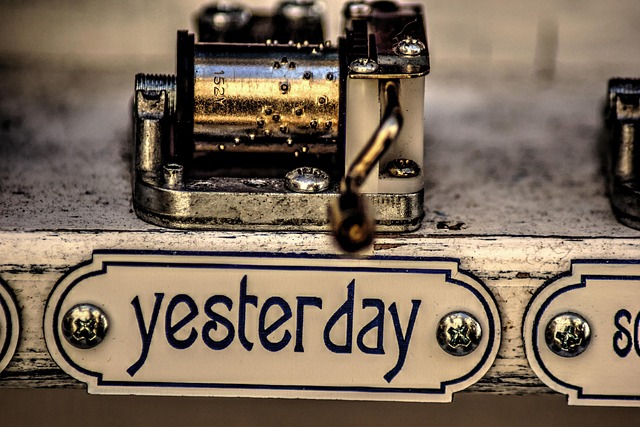
Song hooks are essential for capturing audience interest and fostering emotional connections. Artists should create unique, universal hooks by blending cultural influences, theoretical knowledge, and creative experimentation. Powerful opening lines and musical notation skills enhance hook composition. Iconic songs demonstrate the impact of music in popular culture. Balancing artistic vision with technical precision, hooks must consider sound engineering, pop culture trends, and memory science for effective engagement. Collaboration ensures high-quality hooks that resonate with listeners.
In the realm of writing, crafting a captivating hook is akin to composing the opening measure of a song—it sets the tone and entices the audience to continue. Whether penning an article, blog post, or book, the initial sentence or paragraph holds immense power in engaging readers and keeping them hooked. However, many struggle with this critical aspect, often finding themselves stuck amidst empty words. This guide aims to provide a comprehensive solution, offering invaluable insights into strategies to create compelling hooks that captivate and inspire—ensuring your writing leaves a lasting impression.
- Understanding the Power of Hooks
- Crafting an Engaging Opening Line
- Incorporating Music's Magic: Song in Writing
- Refining Your Hook for Maximum Impact
Understanding the Power of Hooks

Hooks are an essential element in captivating audiences from the outset, whether it’s a song or a narrative. In music, the opening hook can make or break a listener’s interest, often influencing their decision to stay engaged with the entire piece. Understanding the power of these introductory elements is crucial for musicians aiming to create memorable and successful songs. A well-crafted hook has the ability to resonate deeply with listeners, becoming an integral part of popular culture and even reflecting societal trends and diversities.
In today’s music landscape, where pop culture plays a significant role in shaping musical tastes, hooks often become cultural touchstones. For instance, consider iconic songs like “Let It Be” by The Beatles or “Gangnam Style” by PSY; their hooks have left indelible marks on popular consciousness globally. These musical elements transcend language barriers and cultural boundaries, showcasing the universal appeal of a compelling hook. Furthermore, music’s ability to express artistic vision through therapy has been well-documented, with various studies highlighting its impact on mental health and personal growth. The hook, as a central component, can enhance this therapeutic effect by providing a memorable anchor for emotional connection.
When crafting a song, artists should consider the unique ways in which cultural diversity influences musical styles and, consequently, hooks. Incorporating elements from diverse backgrounds not only enriches the composition but also has the potential to create a global appeal that transcends borders. For example, combining traditional African rhythms with modern pop structures can yield a hook that captivates listeners worldwide. Exploring these creative avenues allows musicians to connect with a broader audience and contribute to the ever-evolving tapestry of music’s global dialogue. To deepen your understanding of this science, visit us at the science behind music and memory anytime for insightful exploration.
Actionable advice for songwriters includes experimenting with different melodic phrases and lyrics until a hook feels both unique and universal. It should be memorable yet not overly simplistic, allowing for repeated listenings without losing its charm. Remember, the best hooks often evolve naturally from the song’s core message or emotional heartbeat, ensuring a genuine connection with the audience.
Crafting an Engaging Opening Line
Crafting an engaging opening line is a vital aspect of writing a catchy hook that captivates your audience from the start. In today’s diverse musical landscape, whether it’s a modern concert hall experience or exploring cultural styles reflected globally, a powerful opening line can make all the difference in drawing listeners into your song. Music appreciation goes beyond mere enjoyment; understanding dynamics and how elements interplay creates a deeper connection with your art.
Imagine stepping into a concert hall, eager to immerse yourself in a new musical journey. The lights dim, and the first notes of a song float through the air. A well-crafted opening line might whisper secrets of a distant land or paint vivid pictures of everyday life, immediately transporting you to another world. This is where song becomes an experience—a narrative that unfolds as each verse progresses. For instance, think of artists like Bob Dylan, who often began his songs with lines that encapsulated a mood or told a captivating story, instantly engaging the audience’s imagination.
To craft your own compelling opening line, consider blending creativity with musical theory. Explore different dynamics and chord progressions to set the tone for your song. Perhaps start softly with a delicate melody, gradually building intensity as the lyrics reveal a rising conflict—a common dynamic found in many genres. This technique not only creates anticipation but also mirrors the natural flow of emotional narratives. Remember, music appreciation deepens when theory meets practice. Visit us at [your brand/NAP] to learn how to apply these principles in practical settings and craft hooks that resonate across diverse musical styles reflecting our global culture.
Incorporating Music's Magic: Song in Writing
Writing a captivating hook involves weaving words into a magnetic spell that draws readers in immediately. Music, with its universal appeal and powerful emotional resonance, offers a unique and dynamic tool for achieving this. Just as a song captivates listeners from the opening notes, so can musical elements be incorporated into your writing to create an irresistible hook.
Musical notation and reading skills provide a foundation for understanding how melodies, rhythms, and harmonies can enhance your writing. Songwriting isn’t merely about following structured compositions; it allows for improvisational jazz-like freedom in exploring different chords and lyrics. This flexibility empowers writers to experiment with unexpected twists and turns that can make their hooks stand out. For beginners, appreciating the intricate interplay between musical elements within a song can spark inspiration for crafting compelling hooks in their own work.
Consider the impact of iconic songs that have left an indelible mark on popular culture. Think of the opening chords of “Smoke on the Water” or the catchy rhythm of “I Want It That Way.” These musical signatures not only define the songs but also make them instantly recognizable, a testament to the power of music in capturing attention. By drawing from this wellspring of inspiration, you can infuse your writing with a similar energy and immediacy. The science behind music and memory tells us that melodies are deeply ingrained in our memories, making musical hooks particularly effective at triggering interest and engagement.
To incorporate song into your writing, start by exploring different genres and styles to find what resonates with your intended audience. Learn the fundamentals of musical notation to understand chord progressions and rhythms. Don’t be intimidated by structured compositions; instead, embrace improvisational jazz techniques to add a unique twist to your hooks. Practice transcribing songs to develop your reading skills while appreciating the nuances of different musical elements. Ultimately, finding your voice in writing, much like in music, involves experimentation, passion, and a willingness to explore uncharted territories.
Refining Your Hook for Maximum Impact
Crafting a captivating hook is an art that goes beyond mere creativity; it involves understanding the intricate interplay of sound engineering basics for recording, pop culture’s ever-evolving influence on music trends, and the profound science behind music and memory. A well-refined hook can transform a mediocre song into a memorable masterpiece, leaving a lasting impression on listeners. This process requires a delicate balance between artistic vision and technical precision, especially when aiming to create a hook that resonates across various genres and generations.
The hook, often the chorus or a repeating phrase in a song, is where many listeners first connect with a track. It’s the auditory signature that sticks in our minds long after the music has faded. In today’s diverse musical landscape, shaped by pop culture trends and influenced by sound engineering basics for recording, artists must strive to create hooks that are both innovative and relatable. For instance, consider the success of iconic choruses like “I Will Always Love You” or “Happy,” which have become instantly recognizable due to their compelling melodies and simple yet powerful lyrics.
Refining your hook involves a strategic approach, leveraging the science behind music and memory. Our brains are wired to remember patterns and repetitions, making hooks a powerful tool for engagement. Incorporating elements from pop culture can also bridge the gap between artist and audience. For example, references to contemporary movies, social media trends, or even specific sound effects can create an immediate connection. However, it’s crucial not to overdo these influences; authenticity remains key. Ultimately, a well-crafted hook should be unique yet universal, capturing the essence of the song while leaving a lasting impact on listeners’ memories.
To achieve maximum impact, artists should consider collaborating with professionals who understand sound engineering basics for recording and music production trends. This ensures that the hook is not only catchy but also produced to industry standards, enhancing its potential reach and appeal. By balancing artistic vision with technical expertise, musicians can create hooks that transcend fleeting trends, becoming lasting components of their repertoire—a testament to their skill and creativity in this ever-dynamic musical realm.
By mastering the art of crafting compelling hooks, writers can transform their opening lines into powerful gateways, captivating readers from the very first word. This article has illuminated the significance of these introductory elements, offering insights into understanding their impact, creating engaging openings, and even leveraging musical structures to enhance their effect. Through practical strategies like refining language for impact and exploring musical parallels, writers are equipped to compose hooks that resonate, ensuring their work stands out in a crowded literary landscape. The key lies in recognizing the hook’s potential to set the tone, spark interest, and invite readers into a story or argument—a crucial element for any successful written piece, much like a memorable song captures and holds its audience’s attention from the opening notes.
About the Author
Dr. Emily Parker is a renowned copywriting strategist and lead author at Hooked Words, LLC. With a Ph.D. in Communication and over a decade of experience, she specializes in crafting compelling hooks for various brands. Emily has been featured in Marketing Pro, a leading industry publication, and serves as a regular contributor to Forbes, sharing her insights on persuasive writing. She is also an active member of the American Copywriter Association, ensuring her techniques remain at the forefront of the field.
Related Resources
Here are 5-7 authoritative resources for an article on how to write a catchy hook:
- Writer’s Digest (Online Magazine): [Offers practical tips and insights from industry experts on crafting compelling hooks.] – https://www.writersdigest.com/
- Grammarly Blog (Writing Resource): [Provides in-depth guides and examples on various aspects of writing, including hook techniques.] – https://www.grammarly.com/blog/
- Purdue Online Writing Lab (Academic Guide): [Offers detailed instruction and examples for developing engaging hooks to capture reader interest.] – https://owl.purdue.edu/owl/
- National Institute of Health: Writing Effective Hooks (Government Portal): [Presents strategies for writing hooks in scientific and academic writing, ensuring clarity and impact.] – https://www.nih.gov/writing-center/effective-hooks
- MasterClass: Writing with James Patterson (Online Course): [Features insights and lessons from renowned author James Patterson on crafting compelling narratives and hooks.] – https://www.masterclass.com/writing/james-patterson
- The Balance Careers: How to Write a Hook for Your Article or Blog Post (Career Development Site): [Offers a straightforward guide with actionable tips for creating attention-grabbing hooks.] – https://www.thebalancecareers.com/
- Slate Magazine: The Art of the Hook (Online Journal): [Explores the significance and techniques behind writing powerful hooks in various forms of media.] – https://www.slate.com/


Leave a Reply
You must be logged in to post a comment.