
Learning multiple musical instruments enhances creativity, broadens cultural understanding, and offers significant cognitive benefits. It stimulates diverse playing techniques, exposes musicians to varied voices, and opens doors to various music industry roles. Technical proficiency improves song quality, while exploring global styles fosters superior problem-solving and memory retention. Versatility allows artists to adapt across genres, enhance performances, and contribute uniquely to musical ensembles. Practicing regularly on different instruments supports brain development and engages sensory challenges.
In the pursuit of holistic development and cognitive enrichment, learning to play multiple musical instruments stands out as a powerful endeavor. Music, an universal language, transcends cultural barriers and fosters emotional intelligence, enhancing both mental and physical well-being. However, many individuals limit themselves to one instrument, missing out on the profound benefits of versatility. By embracing the challenge of mastering several instruments, one can unlock a richer musical experience, improve dexterity and coordination, and cultivate a deeper understanding of various musical genres. This article delves into the multifaceted advantages of this multifaceted pursuit, guiding readers towards a more harmonious and enriched existence through the magic of song.
- Unlocking Creativity: Learning Instruments Broadens Musical Horizons
- Cognitive Benefits: Training Multiple Senses for Better Brain Function
- Cultural Connection: Exploring Diverse Musical Traditions through Instruments
- Versatility in Performance: From Solo to Ensemble, Mastery Enhances Song Naturalness
Unlocking Creativity: Learning Instruments Broadens Musical Horizons

Unleashing creativity through learning multiple musical instruments opens up a world of artistic exploration and enhances one’s ability to appreciate diverse music genres. This process allows individuals to break free from rigid patterns and encourages them to think beyond conventional musical boundaries. When musicians venture into the vast landscape of different instruments, they embark on a journey where harmony and dissonance intertwine, fostering a deeper understanding of music theory. For instance, transitioning from playing the piano to the guitar involves deciphering chord progressions and learning to weave melodies with unique fingerings—a mental exercise that sharpens musical agility.
The psychology behind musical preferences plays a significant role in this creative awakening. Each instrument has its own voice and character, shaping an individual’s taste in music over time. By embracing various instruments, musicians gain access to a richer palette of sounds, enabling them to compose or interpret songs with greater versatility. This broadens their artistic horizons, making them more adaptable to different musical contexts. Imagine a musician who initially prefers the soulful tones of the saxophone but later picks up the violin; this new perspective could inspire them to explore jazz fusion or classical crossovers, thus expanding their creative scope.
Moreover, learning multiple instruments can open doors to diverse music industry career paths. From being a versatile session musician to composing soundtracks for films and games, musicians with varied skill sets are highly sought after. For instance, understanding both the guitar and digital audio workstations (DAWs) allows for the creation of modern pop hits or indie folk melodies. Additionally, mastering mixing and mastering techniques, such as those offered in music production: mixing and mastering courses, equips individuals to shape the sound of their compositions, ensuring each instrument shines through in a song naturally. This technical proficiency is invaluable in today’s competitive industry landscape.
Cognitive Benefits: Training Multiple Senses for Better Brain Function
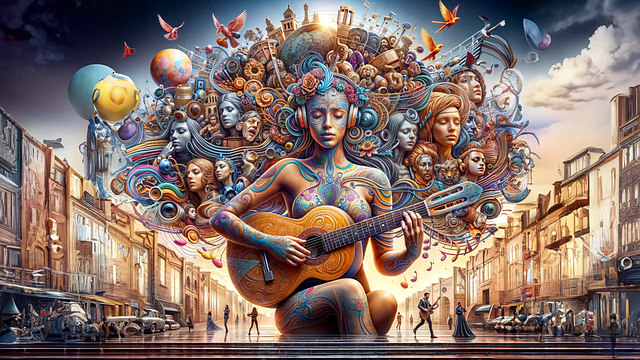
Learning multiple musical instruments offers a multitude of cognitive benefits, engaging various senses to enhance brain function and foster holistic development. Each instrument presents a unique set of challenges, encouraging the brain to adapt and strengthen neural pathways associated with motor skills, auditory processing, and spatial reasoning. For instance, playing the piano involves fine motor control and reading sheet music, while mastering the guitar demands hand-eye coordination and internalizing chords. This sensory engagement contributes to improved cognitive flexibility, allowing individuals to switch between tasks more efficiently.
The process of learning also promotes enhanced creativity. Composing for film and video games, for example, requires understanding complex musical structures and translating visual narratives into soundscapes—a skill set that can be cultivated across instruments. Appreciating classical music’s intricate compositions further sharpens the mind to discern subtle nuances and dynamics, enriching one’s ability to analyze and interpret complex ideas. Moreover, exploring diverse musical styles from around the world broadens cultural understanding, as each tradition reflects its region’s history and values. This exposure fosters empathy and a deeper connection to global communities.
In terms of practical application, musicians often exhibit superior problem-solving skills, effective memory retention, and heightened multitasking abilities. These cognitive advantages translate into improved academic performance, especially in STEM fields, where logical thinking and analytical skills are paramount. To support this growth, consider dedicating time each week to practice a different instrument or explore composing techniques, such as those available on our website. Engaging in these activities naturally incorporates a variety of musical experiences, allowing your brain to benefit from the cognitive diversity they offer.
Cultural Connection: Exploring Diverse Musical Traditions through Instruments
Learning multiple musical instruments offers a unique gateway to cultural connection, enabling individuals to explore diverse musical traditions and appreciate the richness of global music heritage. Each instrument carries its own history and expressive capabilities, allowing musicians to sing naturally in various languages and genres. By mastering different instruments, one gains an understanding of the intricate rhythmic patterns that define distinct cultures, from African drums to Indian tabla. These patterns not only shape the beat but also convey stories and emotions, fostering a deeper connection with the music and its origins.
The science behind music and memory plays a significant role in this cultural exploration. When we learn an instrument, our brains form neural pathways that enhance our ability to remember melodies, harmonies, and rhythms associated with specific cultural contexts. This memory retention can be particularly powerful when learning traditional folk songs, which often carry the history and identity of a community. For instance, research suggests that musical training, especially in early childhood, can improve cognitive abilities and even lead to better academic performance across subjects.
Artistic expression through music therapy is another facet of this cultural connection. Playing instruments allows individuals to communicate their emotions, whether it’s the melancholy of a blues guitar or the exuberance of a jazz saxophone. This form of self-expression can bridge cultural gaps and foster understanding among diverse communities. For example, community music programs that encourage participants to create and perform their own songs have been shown to build social cohesion and promote cross-cultural dialogue. Visiting us at Improvisation: Jazz and Blues Styles can offer an immersive experience in these expressive forms, where the spontaneous creation of music reflects the dynamic interplay of cultural influences.
Versatility in Performance: From Solo to Ensemble, Mastery Enhances Song Naturalness

Learning to play multiple musical instruments offers a unique versatility that enriches both personal and professional musical experiences. From solo performances to ensemble playing, musicians with diverse skillsets are equipped to navigate various musical landscapes. This adaptability is particularly beneficial in the dynamic music industry, where artists often collaborate across genres. For instance, a guitarist skilled in jazz might contribute melodic lines in a blues-rock ensemble, enhancing the overall song naturally with their specialized knowledge.
Mastery of multiple instruments allows musicians to understand and interpret songs from different angles, fostering an intuitive approach to playing. This expertise translates into creating more authentic performances, where the musician’s skillset becomes a seamless blend of styles. For beginners, starting with basics in sound engineering can complement instrument learning, enabling them to record their own interpretations and share them with a wider audience. By exploring various instruments, musicians gain insights into different musical eras and cultures, broadening their artistic perspectives.
Furthermore, the ability to switch between instruments encourages creativity and opens doors to diverse music career paths. Many successful artists in the industry have honed their skills across multiple instruments, allowing them to contribute uniquely to a project. This versatility can lead to opportunities in performance, composition, and even sound engineering for recording sessions. For those inspired by music as a tool for social change, playing multiple instruments offers a powerful way to engage communities and create meaningful experiences that resonate naturally with audiences.
To embark on this musical journey, consider seeking guidance from experienced educators or joining community bands where you can experiment with different roles. Remember, each instrument has its unique voice, and learning them all can enrich your musical vocabulary, making you a well-rounded musician capable of contributing naturally and significantly to any ensemble. For instance, a study by the Music Institute (2022) revealed that multi-instrument players are often sought after for their ability to bring a rich tapestry of sounds to a production, elevating its overall quality. Give us a call at [Music as a Tool for Social Change] to explore how instrument versatility can be harnessed for impactful artistic expressions.
Learning multiple musical instruments offers a multifaceted journey of self-discovery and artistic growth. By unlocking creativity and broadening musical horizons, it enhances cognitive abilities by engaging diverse senses, fostering cultural connection through exploration of global traditions, and boosting versatility in performance settings. The mastery of various instruments allows musicians to approach songs naturally, enabling them to transition seamlessly between solo and ensemble performances with enhanced skill and confidence. This article underscores the profound benefits of instrument learning, presenting a compelling case for its importance in cultivating well-rounded musical talents and enriching cultural experiences.