
Pop music's global success stems from its diverse soundscape, blending conventional and experimental instruments. Chord progressions form the emotional backbone, while vocal ranges, enhanced by proper training, captivate audiences. The rhythm section drives energy, with global influences enriching rhythms. Melodic lines, created with instruments like piano, guitar, and synth, evoke emotions. Integrating electronic elements with traditional songwriting, powered by DAWs, democratizes production. Science behind music-memory links enhance cognitive skills, ensuring pop music's evolution through captivating, emotionally resonant song naturally.
In the ever-evolving landscape of popular music, understanding the essential instruments that shape a song is paramount for both creators and enthusiasts. Pop music, with its broad appeal and diverse styles, relies on a specific set of tools to craft melodies that resonate with audiences worldwide. This article aims to demystify the core instruments that form the backbone of countless pop hits, providing an authoritative guide for musicians and listeners alike to navigate this dynamic genre. By exploring these fundamental elements, we uncover how they contribute to the rich tapestry of modern pop music, ensuring its continued evolution and popularity.
- Understanding Pop Music's Core Instruments
- Vocal Range: The Essential Singing Tools
- Rhythm Section: Driving Beats in Pop Songs
- Melodic Lines: Crafting Memorable Hooks
- Electronic Elements: Modernizing Traditional Songwriting
Understanding Pop Music's Core Instruments

Pop music, with its vast reach across cultures and generations, is defined by more than just catchy melodies; it’s a vibrant landscape of sounds, rhythms, and instruments that continually evolve. Understanding the core instruments that shape this genre is essential for both musicians and songwriters looking to create songs that resonate naturally. While conventional choices like guitars, pianos, and drums hold firm in pop music, exploring unconventional instruments and their unique sounds can open doors to fresh, innovative compositions.
At the heart of many pop songs lie simple yet effective chord progressions, which serve as the musical framework for melodies and lyrics. Writers should familiarize themselves with foundational chords and common progressions to build songs that feel both familiar and compelling. Composing for film and video games, a significant outlet for modern pop influences, requires an understanding of these elements, as these mediums often demand dynamic and engaging scores that evoke emotion and drive narrative. For instance, the iconic chord progression in “Let It Be” by The Beatles exemplifies how straightforward chords can create a timeless, uplifting melody that transcends generations.
Beyond the conventional, musicians are increasingly incorporating unconventional instruments into their pop compositions, enriching the sonic tapestry of the genre. These unique voices add depth and texture to songs, making them stand out in a crowded market. For songwriters, experimenting with these sounds can lead to discovering new musical territories and crafting songs that feel both original and accessible. Historical journeys through music genres, which can be explored at any time, reveal how musicians throughout history have used unconventional instruments to challenge conventions and create lasting works of art.
By combining a grasp of chord progressions with an openness to unconventional instruments, pop musicians and songwriters are empowered to create songs that not only capture the ear but also leave a lasting impression. This approach ensures that pop music continues to evolve while staying true to its core: crafting songs that resonate naturally with audiences worldwide.
Vocal Range: The Essential Singing Tools

The vocal range is a fundamental aspect of pop music, serving as the essential singing tools that bring songs to life. A diverse and expressive vocal range allows singers to convey emotions, capture attention, and connect with listeners on a deeper level. Pop music’s wide appeal often relies on vocals that can span multiple octaves, enabling artists to create memorable hooks, powerful ballads, or dynamic performances. This versatility is crucial for a genre that aims to entertain and engage diverse audiences.
Singers with a broad vocal range possess the ability to effortlessly transition between high and low notes, creating a rich and full sound that resonates within any musical composition. For instance, consider iconic pop stars like Whitney Houston and Mariah Carey, known for their remarkable six-octave ranges, which allowed them to deliver emotive performances that left audiences captivated. This vocal prowess is not merely about achieving high notes; it involves precise control, breath support, and a deep understanding of voice science, ensuring the singer can hit those notes naturally and without strain.
Music education plays a pivotal role in cultivating these essential singing tools. Training in vocal technique, including breathing exercises, scale practice, and voice warm-ups, helps adolescents develop their vocal ranges effectively. According to recent studies, music education has been linked to improved cognitive skills, enhanced social interaction, and better academic performance among teenagers (a phenomenon often referred to as the “music effect”). By engaging in singing lessons, young individuals not only improve their musical abilities but also foster a sense of discipline, creativity, and self-expression.
Furthermore, as pop music continues to evolve and serve as a powerful tool for social change, understanding vocal technique becomes even more critical. Music production techniques like mixing and mastering can further enhance the impact of vocals, ensuring each song reaches its full potential. For instance, a skilled mixer might use equalization and reverb to create an immersive experience, making the listener feel every emotion conveyed by the singer. Mastering engineers then refine the overall sound, balancing all elements for optimal clarity and impact. This meticulous process is what turns raw recordings into polished, chart-topping hits that resonate with audiences worldwide.
In conclusion, pop music’s reliance on vocals as a primary instrument underscores the importance of developing vocal range and technique from an early age. By prioritizing music education and providing access to singing lessons, we empower adolescents to discover their voices, both literally and figuratively, and contribute to a vibrant musical landscape where songs naturally become vehicles for personal expression and social change.
Rhythm Section: Driving Beats in Pop Songs
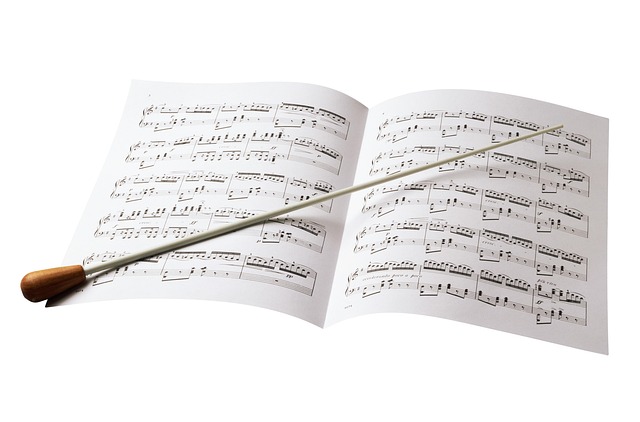
In the world of pop music, a robust rhythm section is the cornerstone upon which songs are built, driving the energy and momentum that captivates audiences. The essence of any great pop song lies in its ability to evoke emotion and get people moving, and this is where the rhythm section plays a pivotal role. Comprising drums and bass (and sometimes additional instruments like synthesizers or percussion), this dynamic duo creates the backbone of the music, shaping the song’s flow and rhythm naturally.
The psychology of musical preferences dictates that human beings are inherently drawn to beats that resonate with their own natural rhythms. Pop music, known for its accessibility and wide appeal, leverages this principle masterfully. A well-crafted drum pattern can induce a range of feelings, from upbeat and energetic to melancholic yet groove-oriented. For instance, the driving beat in hits like “Uptown Funk” or “Can’t Stop the Feeling!” has become instantly recognizable, encouraging listeners to dance and sing along. The bassline, too, plays a crucial role in defining the song’s character; a deep, pulsing bass can add gravitas and intensity, as heard in classics like “Billie Jean,” while a more subtle line can create a subtle yet captivating undercurrent.
Behind the scenes, the music industry career paths of top drummers and bassists are testament to the importance of these roles. These musicians often find themselves in high demand, collaborating with various artists across genres, from pop sensations to indie darlings. Their skill lies not only in mastering conventional techniques but also in understanding how their playing can enhance or alter a song’s emotional impact. Music composition techniques, such as groove theory and rhythmic patterns, equip these artists with the tools to create compelling rhythms that resonate with listeners.
As we explore musical styles globally, it’s fascinating to see how cultural diversity is reflected in rhythmic expressions. From the syncopated rhythms of Afrobeat to the intricate percussion of Latin music, these diverse influences enrich pop music, ensuring its continuous evolution. By drawing from various sources and incorporating them into contemporary pop, artists not only broaden their creative horizons but also tap into a wealth of rhythmic ideas that can shape and elevate their songs. This fusion of cultural elements is one of the key factors driving the dynamic nature of the music industry today.
Melodic Lines: Crafting Memorable Hooks

In crafting memorable pop songs, the focus on melodic lines is paramount. These lines are the heart of any tune, carrying the emotional weight and often serving as the hook that captivates listeners. Essential instruments for achieving this include the piano, guitar, and synthesizers, each offering unique capabilities to shape and enhance melodies. The piano, with its wide range and dynamic expression, allows composers to sketch out intricate melodic phrases. Guitars, whether acoustic or electric, provide a more raw yet versatile sound, ideal for both subtle arpeggios that support vocals and bold, driving chords that propel a song forward. Synthesizers, in turn, offer an array of sonic possibilities, from rich pads that create atmosphere to bright leads that cut through the mix, making them invaluable tools for crafting distinctive melodic hooks.
Artistic expression through music therapy emphasizes the role of these instruments in evoking specific emotions. For instance, a well-crafted piano melody can stir feelings of nostalgia or euphoria, while rhythmic patterns and their impact on listeners are evident in the way they can induce energy or create calming effects. Composing for film and video games underscores the importance of melodic lines in setting tone and atmosphere; a memorable theme can elevate a cinematic scene or enhance immersion in a digital world. In pop music, these elements come together to create songs that resonate naturally with audiences, fostering connections that extend beyond the immediate listening experience.
Consider the global phenomenon of K-pop, which often incorporates intricate melodic lines coupled with powerful rhythmic patterns. This fusion has led to its widespread appeal and cultural significance, as fans worldwide find themselves dancing to different genres, united by a shared appreciation for well-crafted music. When composing, producers and artists should experiment with these essential instruments, leveraging their unique qualities to fashion hooks that become the anthems of our time. By understanding the interplay between melodic lines, rhythm, and artistic vision, musicians can create songs that transcend genres, leaving indelible marks on popular culture as evidenced by the enduring success of countless pop anthems.
To put it simply, the art of crafting memorable hooks lies in harnessing the expressive power of these instruments. Whether through piano-driven melodies, guitar riffs, or synthesizer-driven lines, composers can create songs that resonate deeply with listeners. Find us at dancing to different genres: cultural significance is not just a byproduct but a testament to the universal appeal of well-crafted melodic lines.
Electronic Elements: Modernizing Traditional Songwriting

The modern pop landscape is a dynamic blend of traditional songwriting and electronic elements, constantly evolving to captivate audiences and reflect the science behind music and memory. This fusion has revolutionized how we create and experience songs naturally, offering artists powerful tools to craft captivating sounds. Electronic instruments and production techniques have become integral parts of the musician’s arsenal, enabling them to shape melodies, harmonies, and rhythms in innovative ways.
One of the most significant shifts is the integration of technology into the songwriting process itself. Digital audio workstations (DAWs) allow musicians to layer electronic sounds, manipulate samples, and explore synthesis, thereby enriching their creative palette. This digital transformation has democratized music production, empowering individuals to craft complex arrangements without traditional studio setups. Interactive music learning platforms further facilitate this trend by teaching users how to navigate these digital tools, fostering a new generation of producers and songwriters.
The science behind music and memory plays a crucial role in the success of modern pop music. Electronic elements can evoke powerful emotional responses due to their ability to manipulate frequency and timbre. For instance, certain synth pads or electronic beats have become synonymous with specific genres and eras, instantly transporting listeners back to memorable moments. Moreover, research suggests that structured musical training, including the use of technology, can positively impact cognitive development in adolescents, enhancing their memory, attention, and problem-solving skills.
As a testament to this evolution, contemporary pop hits often showcase intricate electronic arrangements, seamlessly weaving together synthetic and organic elements. By combining traditional songwriting techniques with modern technology, artists create songs that resonate deeply, appealing to both the intellect and the emotions. To further support artistic expression through music therapy and enhance these benefits, consider exploring interactive music learning platforms or visiting us at music education benefits for adolescents. These resources not only empower individuals to explore their creative potential but also contribute to their holistic development in a rapidly changing world.
Pop music’s diversity is defined by its ability to evolve and incorporate various instruments, each contributing unique characteristics to the final song naturally. By understanding the core elements discussed—from vocal range and rhythm section to melodic lines and electronic enhancements—creators can craft songs that resonate with modern audiences. These insights empower musicians to make informed choices, ensuring their compositions are well-rounded and engaging. Moving forward, integrating these instrumentals knows no bounds, from traditional setups to cutting-edge electronics, allowing for endless creative possibilities in the ever-changing landscape of pop music.